Tractor Hours: Your Key to Sustainable Farming Success
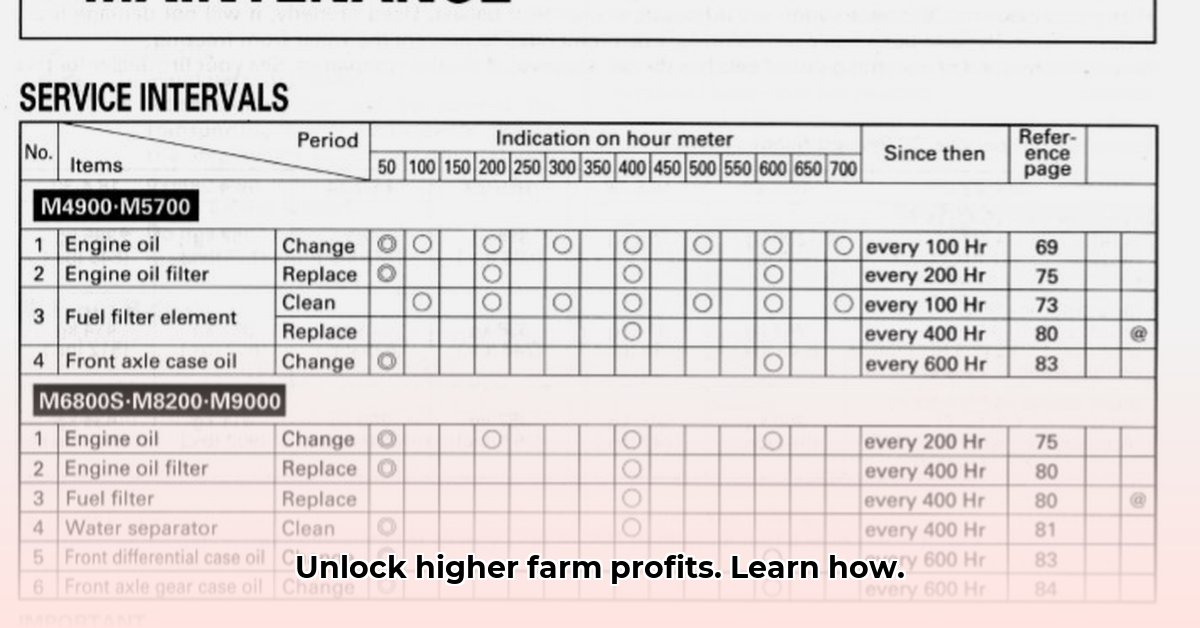
Sustainable agriculture isn't just a trend; it's essential for the future of food production. Maximizing both sustainability and profitability hinges on a simple, powerful tool: tracking your tractor hours. This guide provides actionable steps to harness this data for a more efficient and profitable farm. We'll explore how different stakeholders can leverage tractor hour data to achieve significant improvements. For more detailed information on tractor operation, see this helpful guide.
Three Pivotal Points for Sustainable Farming Success:
- Reduced Operating Costs: Optimizing tractor hours directly translates to lower fuel consumption and maintenance expenses, significantly boosting your bottom line.
- Improved Efficiency: Careful tracking identifies inefficiencies in your workflow, allowing for targeted improvements and maximizing your resources.
- Environmental Stewardship: Reduced tractor use contributes to a smaller carbon footprint, aligning your operations with environmentally conscious practices.
For Sustainable Ag Retailers: Boosting Sales with Data-Driven Insights
To help your customers thrive while building your business, leverage tractor hour data. Collaborate with farmers, gathering information on equipment usage to understand their needs and offer tailored solutions. Data-driven marketing campaigns can then showcase how your sustainable equipment translates into fewer tractor hours and lower operating costs.
Step-by-Step Guide:
- Gather Customer Insights: Implement a customer survey program, asking direct questions about equipment usage, maintenance, and tractor hours to identify their challenges.
- Analyze and Identify Trends: Analyze collected data to identify patterns in equipment utilization. Understand common pain points to inform your strategies. ( Example: Analyzing data might reveal a high incidence of premature engine failure due to inconsistent maintenance schedules and excessive operating hours.)
- Develop Targeted Marketing: Create campaigns demonstrating the ROI of your sustainable equipment. Highlight reduced tractor hours and lower costs, supported by case studies of successful farmers. ( Example: "Farmer John reduced his tractor hours by 15% using our equipment, saving him $3,000 annually.")
For Equipment Rental Companies: Optimizing Your Business with Tractor Hour Tracking
Accurate tractor hour tracking allows for effective inventory management, enabling you to optimize your fleet and pricing strategies. Predictive maintenance based on this data minimizes downtime, extending equipment life and boosting ROI.
A Roadmap to Efficiency:
- Implement a Reliable Tracking System: Use manual logs or sophisticated software to accurately record tractor hours for each piece of equipment. ( Consider incorporating GPS tracking for enhanced accuracy.)
- Adjust Your Pricing Strategy: Analyze rental data to identify peak demand and adjust prices accordingly, maximizing profitability. (Example: Increase rental rates during peak seasons, such as planting or harvesting.)
- Proactive Maintenance: Use tractor hour data to create a predictive maintenance schedule, preventing costly breakdowns and extending equipment life. ( Aim for a 90% reduction in unexpected downtime.)
For Farmers/Producers: Maximize Efficiency and Profits Through Tractor Hour Analysis
For farmers, tractor hour data acts as a detailed financial report. Monitoring helps identify inefficiencies and savings opportunities. Sustainable practices often lead to fewer tractor hours, reducing fuel costs and maintenance.
Unlocking Efficiency and Saving Money:
- Implement a Tracking System: Use a simple spreadsheet or farm management software to accurately track tractor hours.
- Analyze for Inefficiencies: Regularly review your data to identify areas for improvement, such as excessive idling or overlapping tasks. ( Example: Analyze data to identify fields where inefficient travel routes are increasing tractor hours.)
- Implement Sustainable Practices: Explore precision farming techniques to reduce tractor hours while improving yields and efficiency. ( Example: Use GPS-guided machinery for precision planting and fertilizing.)
For Government Agencies: Supporting Sustainable Agriculture Through Policy
Government agencies can promote sustainable practices by incorporating tractor hours as a Key Performance Indicator (KPI). Offering grants or incentives tied to reduced tractor hours motivates farmers to adopt efficient equipment and practices. Funding research into tractor hour monitoring technologies supports ongoing development.
Actionable Insights Summary:
| Stakeholder | Actionable Insight | KPI |
|---|---|---|
| Sustainable Retailers | Data-driven marketing, tailored service packages | Increased sales, customer loyalty |
| Rental Companies | Predictive maintenance, optimized pricing | Reduced downtime, improved ROI |
| Farmers/Producers | Workflow optimization, sustainable practice adoption | Lower fuel costs, increased profitability |
| Government Agencies | Incentive programs based on reduced tractor hours | Widespread adoption of sustainable practices |
Mastering tractor hours is key to a more resilient and profitable agricultural future. By using this data, we can contribute to a more sustainable and prosperous industry. Ongoing research and technological advancements will continue to refine best practices. Therefore, staying informed is crucial for long-term success.